
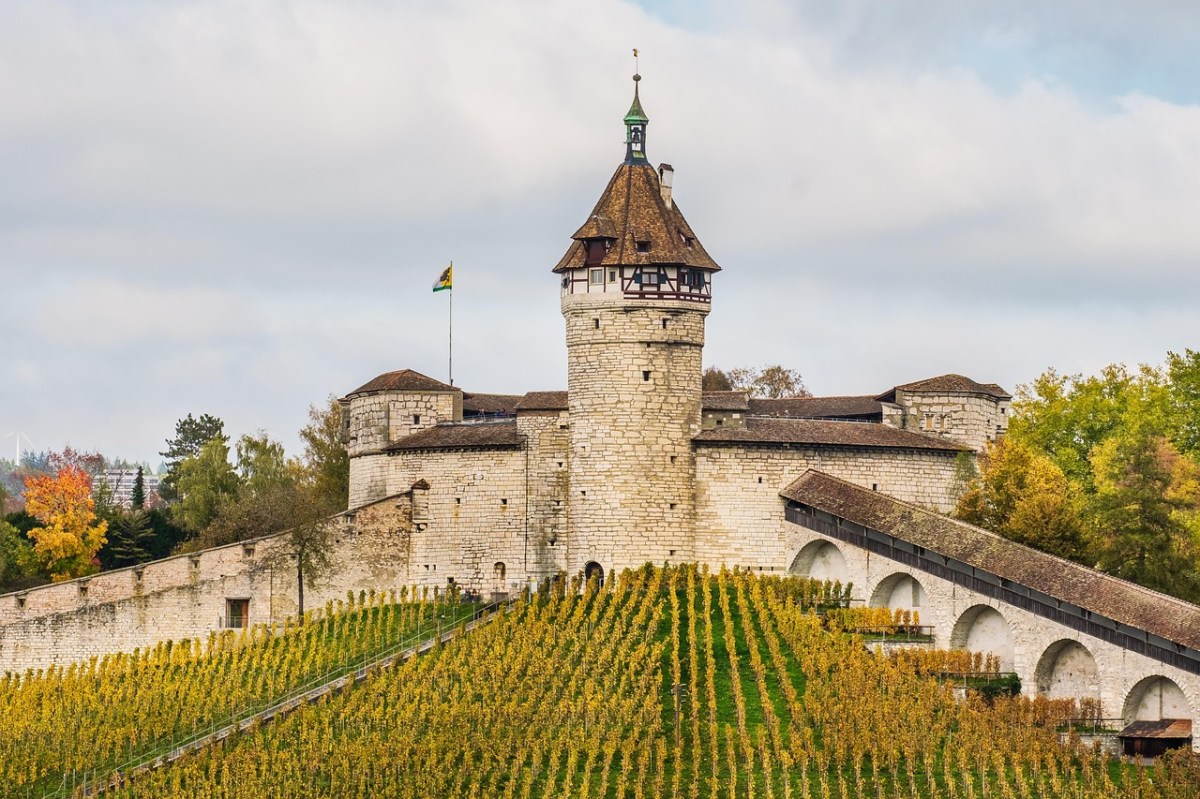
Behind their walls, they stood waiting for the arrows to fly. Their shields were ready and the barrels of oil lined up for when soldiers arrived at their gates. The ladders would be met with a similar strategy, ready to be thrown over, set up for the arrows lit by the candles protected from the wind by their feet. Quickly the flames would cover those pour souls who would charge up to attempt to take the wall.
The stronghold of Corgan was known by all to be a place where armies arrived. Army fought. Armies did not return home. With each attack there was said to be no time for celebration but immediate calls for medical support, checking defences, and most importantly, a review of the success to find out where things needed to be reviewed. If a plan worked, why? If not, why?
When the Great Expedition met the walls Corgan, there was no more talk of defence. Just calls for mercy.
A new team were inventing equipment, dubbed the Engines for Acute Targeting. They were, at first, those who either didn’t know what they were being asked to do. How dangerous could throwing a chunk of meat be? Or worse, they knew exactly what was going to happen and didn’t feel they could say no when someone from the Colonel came asking.
With the increased risk of being hit by fire from a growingly confident set of dragons, along with the increasing number of dragons. Those who were simply called meat throwers, realised they were not going to get help from their superiors who laughed when the fire got close and left a strong smell of burnt hair. If they were lucky. A new way was going to be needed. To be further, and faster.
The danger continued to increase more so from reports of how important, and apparently successful, these new animals were began to spread around the aristocratic circles. Added specifically by those who had funded the Great Expedition itself to show off their new alleged stature in society. The suggestion that the King himself would likely be riding on one very soon gave even more drive for people to find the one that he would have.
This did see an influx in wild dragons being brought back. Partly from the idea of giving gifts from up and coming members of society, but also added by how easy it turned out to actually catch a wild dragon, for as long as supply of these creatures continued to be found in abundance. It would take less than a decade for these creatures to be far less easier to find. Had events not happened as they did, wild dragons would be no more at all today. It took only 3 years for dragons themselves to learn that humans may mean food, but also likelihood for them to disappear. But they did bring food. So…
As more went to seek their possible fame and fortune, the home of the wild dragons, and the road out there, also saw changes. With travellers, comes market sellers offering trade. Not just supplies for the road, but smaller dragons could be found discarded along the way as those that survived, or at least appeared stronger or looked healthier, were chosen to be presented to the King. Or at least his representative, and later the department of representatives of the representative of the King as so many would turn up without invitation. Having one person receive so many gifts took time and it was easier for each to be brought in, tagged, and listed if bureaucrats did the tracking. If someone of significant importance, or style, appeared to arrive they may go see someone of equal importance. But it soon became a system of people trying their luck to meet the King, who himself quickly found other places to be.
Keeping themselves moving was important for members of the Engines for Acute Targeting Team. A moving target is harder to hit, especially if the food is going in a different direction. The instruments that would become lined up to launch their projectiles at the battle of Corgan, were first tried and tested in the former gardens found in, and around, the capital. Gardens are for flowers to grow, for people to walk around and wonder about the day ahead. Now they were fields of bones, scorch marks and sleeping dragons.
For those who first spoke of their time at the Battle of Corgan, the carcasses of food were spoken most often. The Engines flew a parade of meat at, and over, the walls following each command. A tried and tested method that saw the flock flew forward where the honed equipment had sent them. Fire bathed the walls, watch towers rose in flame. All for the chase of roasting the treats before the dragons would settle to eat each morsel, but those around the treats would be caught in blaze. A pain those who fired each shot knew only too well.
The siege, and battle, itself was delayed through some key stages. To organise the movement of troops, equipment and food takes an army in itself to set out and plan. Men will follow orders. Equipment will move as long as the wheels have ground on that they can turn over. But the flock of dragons may move at their own pace. The troops arrived to be met with the gates closed and the walls waiting. The dragons did not arrive as planned. Training for 3 years prior can only do so much. Lesser targets were smaller, but also nearer. Sending in a small group of dragons to attack a village, or town meant that the any limitations could be hidden, or missed.
3 years of hunting, searching and building saw the dragons grow in sizes that seemed, to quote one of the trainers, “odd”. Their bellies swelled. Their wings stretched. And yet the proportions of their body, to legs, to head, grew in odd forms. Attempts would be made later to pick and choose to breed, to make the big ones grow bigger, stronger with more stamina. So those that couldn’t fly were kept away. But their tale is another story, for another day, for another cry of mercy.
For the Battle of Corgan, the planned date was a full week before it began. Meat, when kept in a cool cellar, perhaps for those with ability, dry it out to store for even longer. But this was summer. The carts didn’t have a cool place to stay and the tents made it hotter still. They also had to be kept away from the flock when they moved sending it ahead to be in place. The flock also had to be moved carefully as if they found a field of animals, the field might be swept clean if given the space. Caging them was attempted, but their size meant some of those who were wanted to be there were too strong without further risk of an inferno on the road.
Eventually, about 10% of the meat that was launched was chased down and eaten by the dragons. The rest saw those inside the walls fearing for disease. The longer the siege held, the less the meat that was thrown was eaten. Hungry dragons saw those in defence as potential targets. Those in the King’s army had be shown to the dragons to not be targets. Many scars could be seen on them for these lessons. This didn’t stop the younger ones starting to attack them, but the older ones did begin to keep some order through fear of reprisal. As the siege continued, the water became diseased. Food stores set alight, and the will of seeing the mischief of rats increase added to fear.
2 kinds of warfare were shown during the Battle of Corgan. The cries of mercy is said to be from the dragons flying overhead, capturing and eating those who they could find in the alley ways or battlements. But in the end, the call for mercy, the call to end of the siege, to bring about an end to the Battle of Corgan, came from the pile of rotten meat, the surge of rats and rancid smell of burnt, rotten meat, next to the rats that were being chewed by the dragons.
The King would normally enter a captured city after a battle. It took a day for order to be restored before any conquering march could be started as those inside, horrified by their own surroundings, poured out to be free of what was their home.




 S J Lister. Author